

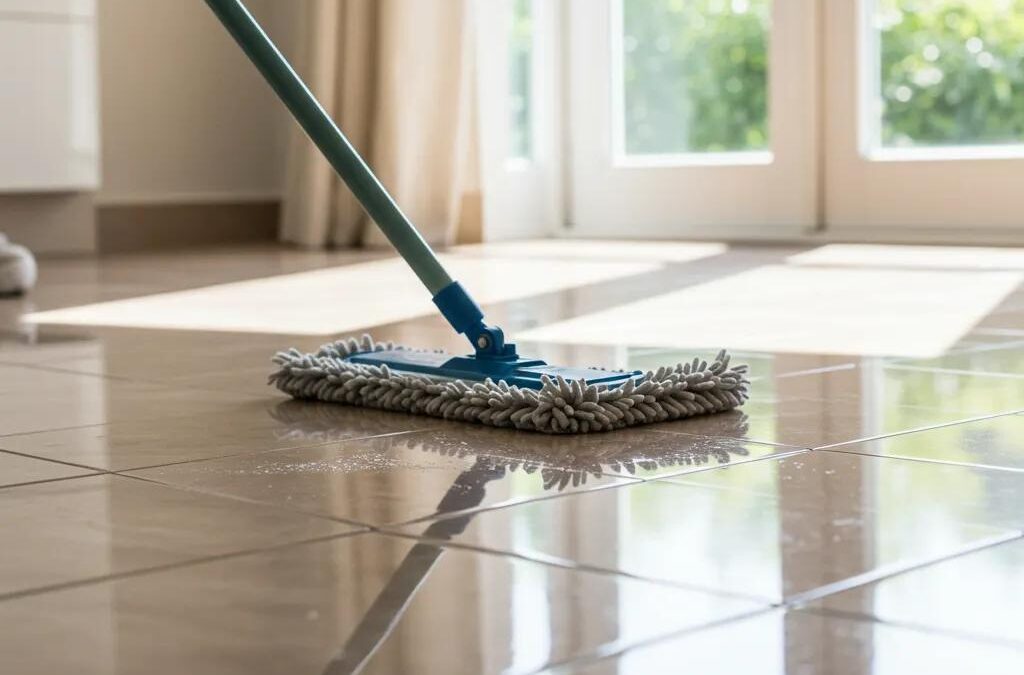
Tile and grout surfaces can accumulate unseen dirt that dulls their appearance and harbors unwanted bacteria. However, with the right residential tile cleaning techniques, you can restore any surface to its former glory. This guide will walk you through identifying your tile and grout types, mastering daily upkeep, executing powerful deep cleaning methods, and knowing when to call in the experts at All Seasons Carpet Cleaning for lasting, pristine results. You’ll discover:
- The unique traits and cleaning needs of porcelain, ceramic, and natural stone tiles
- Essential everyday tools, effective products, and simple homemade solutions for safe, daily care
- Detailed step-by-step deep cleaning methods, including advanced steam techniques and stain removal strategies
- Clear indicators that signal the need for professional cleaning, the advantages of local service, and how to schedule your appointment
- Proactive maintenance tips, the importance of grout sealing, and customized care plans for every tile material
- Top-rated product recommendations, the best brushes and mops, and how to select them based on your tile and grout composition
- Expert insights into common homeowner questions, the key differences between DIY and professional cleaning, and best practices for enduring cleanliness
This comprehensive resource combines practical advice with the specialized knowledge of All Seasons Carpet Cleaning to ensure your tile surfaces are not just spotless, but hygienically clean and built to last.
Understanding Your Residential Tiles and Grout Types
Residential tiles come in a wide array of materials and finishes, each with its own specific cleaning requirements and durability factors. Knowing your tile’s composition and grout’s formulation is crucial to prevent damage and achieve the best cleaning outcomes. For example, porcelain’s inherent low porosity makes it highly resistant to moisture, while natural stone requires gentle, pH-neutral care to prevent etching and discoloration.
Key Characteristics of Porcelain, Ceramic, and Natural Stone Tiles
Porcelain tile is renowned for its exceptional density, superior durability, and excellent stain resistance, making it a perfect choice for high-traffic areas. Ceramic tile typically features a protective glazed surface over a clay body, offering moderate porosity and a vast range of design possibilities. Natural stone, such as elegant slate or classic travertine, showcases unique organic textures and varying hardness, necessitating specialized sealers to safeguard its porous surface.
Properties and Durability of Porcelain Stoneware Tiles for Cleanability Several ceramic tiles and porcelain stoneware tiles, including glazed stoneware tiles, may necessitate the replacement of ceramic surfaces due to product durability (the typical lifespan of a tile is long) and Correlating the physico-chemical properties of two conventional glazed porcelain stoneware tiles in relation to cleanability and sanitization, EI Cedillo-González, 2023
| Tile Type | Porosity Level | Durability | Recommended Cleaning Approach |
|---|---|---|---|
| Porcelain | Very Low | High | Gentle steam or pH-neutral wash |
| Ceramic | Moderate | Medium | Mild detergent and water rinse |
| Natural Stone | Variable | Low to Medium | Specialized sealer application and care |
Understanding these fundamental differences is the first step in preparing for the right grout selection and developing effective cleaning strategies that contribute to overall maintenance success.
Distinguishing Between Sanded, Un-sanded, and Epoxy Grout
Grout types vary significantly in their composition and the types of joints they are designed for:
- Sanded grout is formulated with sand and cement, making it ideal for filling wider grout joints (over 1/8 inch) where its strength and crack resistance are paramount.
- Unsanded grout is designed for narrower seams (under 1/8 inch) and provides a smoother finish, though it offers less resistance to abrasion.
- Epoxy grout is a high-performance option composed of resin and fillers, creating a dense, nonporous, and exceptionally stain-resistant matrix that effectively repels moisture.
Choosing the correct grout type is essential, as it directly influences the types of cleaning agents and brush stiffness that will be most effective for restoration and long-term performance.
Why Tile and Grout Type is Crucial for Cleaning Effectiveness
Different tile and grout materials demand specific cleaning methods to prevent damage, discoloration, or etching. For instance, porcelain can generally withstand mild steam cleaning, while delicate natural stone can be easily damaged by high-pH cleaning solutions. The porosity of your grout dictates how deeply dirt can penetrate, which in turn influences whether you need abrasive brushes or gentler agitation. Recognizing these material properties is key to avoiding chemical overexposure, targeting stains effectively, and preserving any existing sealants.
Mastering Everyday Tile Cleaning at Home
Consistent daily tile cleaning is your first line of defense against dirt buildup, helping to keep grout lines looking fresh and bright. Regular upkeep not only maintains a hygienic environment but also reduces the need for intensive deep cleaning and significantly extends the lifespan of your tiles by preventing the damage caused by harsh scrubbing.
Essential Daily Cleaning Tools and Products for Tile Floors
For optimal daily care, equip yourself with a high-quality microfiber mop designed to capture fine particles, a soft-bristle broom for sweeping away loose debris, and a pH-neutral cleaner specifically formulated for tile surfaces.
- Microfiber mop for efficient dry and wet cleaning
- Soft-bristle broom to gently dislodge surface grit and dust
- pH-neutral tile cleaner to prevent residue buildup and protect finishes
- Spray bottle for precise application of diluted cleaning solutions
Using the right tools helps preserve protective sealers and minimizes grout discoloration, delaying the need for more intensive cleaning interventions.
How to Sweep and Mop Tiles Safely Without Damaging Surfaces
- Start by sweeping your floors, directing debris towards a central point for easy collection with minimal effort.
- Fill a clean bucket with warm water and add the manufacturer-recommended amount of your chosen pH-neutral cleaner.
- Dampen your microfiber mop in the solution, wring it out thoroughly until it’s just damp, and guide it along the grout lines to effectively lift embedded particles.
- Crucially, change the water whenever it starts to look cloudy to avoid simply redepositing dirt back onto your clean floors.
- Rinse your mop thoroughly after each section and allow the floors to air dry, or for an extra shine, buff them with a clean, soft cloth.
Employing gentle motions and frequently changing your cleaning water will help maintain the integrity of your tile’s finish and prevent unsightly streaking on glazed surfaces.
Effective and Safe Homemade Cleaners for Daily Use

Many homeowners prefer to use environmentally friendly, do-it-yourself solutions for their routine tile maintenance. Consider these effective blends:
| Ingredient | Cleaning Action | Important Safety Note |
|---|---|---|
| White Vinegar | Effectively cuts through grease and softens stubborn grime | Avoid using on natural stone surfaces as it can cause etching |
| Baking Soda | Provides gentle abrasion to tackle tough stains | Ensure thorough rinsing to remove all residue |
| Liquid Dish Soap | Excellent at breaking down oils and everyday dirt | Use sparingly to prevent excessive sudsing |
| Essential Oils (e.g., Tea Tree, Lemon) | Adds a natural antibacterial boost and a fresh scent | Use a few drops for fragrance and added cleaning power |
Homemade cleaners offer a cost-effective way to maintain your tiles without resorting to harsh chemicals, as long as you ensure they are compatible with your specific tile and grout composition to prevent any potential damage.
Top Deep Cleaning Techniques for Tile and Grout
Deep cleaning is essential for reaching into porous grout lines and textured tile surfaces to extract deeply embedded contaminants and stubborn stains. When performed correctly, this process can restore original color, significantly reduce microbial growth, and prepare your surfaces for effective resealing.
Step-by-Step Guide to Removing Stubborn Grout Stains
- Create a thick paste by mixing baking soda with a small amount of hydrogen peroxide.
- Carefully apply this paste directly onto the grout lines, allowing it to sit and work for approximately 10 minutes.
- Scrub the grout lines vigorously using a dedicated nylon grout brush to effectively lift discoloration and grime.
- Rinse the area thoroughly with warm water, repeating the scrubbing and rinsing process if any stubborn residue remains.
- Ensure the grout is completely dry before applying a fresh coat of grout sealer to protect your newly cleaned lines.
This method utilizes mild oxidation and effective mechanical action to revive grout brightness without the need for harsh, damaging acids.
Effective DIY Solutions for Grease, Mold, and Mildew on Tiles
Addressing common issues like grease buildup and biological growth requires targeted cleaning agents with specific degreasing or antimicrobial properties:
- A simple solution of vinegar and water is highly effective against light mold and mildew.
- Oxygen-based bleach is excellent for lifting deep grease stains and stubborn organic marks.
- Infusing water with tea tree oil provides a powerful natural antifungal action.
Choosing the right cleaning agent is key to ensuring effective remediation while simultaneously safeguarding the integrity of your grout and the finish of your tiles.
Can Steam Cleaners Be Used for Deep Cleaning Tile Floors?
Absolutely! Steam cleaners utilize high-temperature vapor to effectively loosen embedded grime and eliminate bacteria without the need for chemical residues, making them a highly efficient choice for many types of tile. Always confirm that your tile manufacturer permits steam cleaning on your specific surface before proceeding.
How Steam Cleaning Sanitizes and Restores Tile Surfaces
Steam cleaning works by injecting pressurized vapor directly into the pores of the grout, dissolving embedded dirt and eradicating microbial colonies. The process gently agitates tile textures and evaporates quickly, leaving minimal moisture behind, which promotes faster drying times and significantly reduces the risk of mold growth.
- Achieve thorough sanitization without relying on harsh solvents.
- Benefit from effective cleaning that is gentle and abrasion-free.
- Enjoy accelerated drying times that minimize the potential for mold and mildew.
Steam cleaning not only revitalizes the appearance of your tiles but also complements periodic sealant applications, ensuring long-term protection and beauty.
When to Consider Professional Tile and Grout Cleaning Services
Professional tile and grout cleaning services employ advanced equipment, specialized cleaning solutions, and expert techniques to tackle deep-set stains, restore uniform color, and apply protective treatments that are often beyond the scope of DIY methods.
Signs You Need Professional Tile Cleaning Intervention
- Persistent discoloration that remains even after thorough DIY cleaning efforts.
- Grout lines that consistently retain unpleasant odors or show signs of mold growth.
- Uneven tile shine that suggests the protective sealer has broken down.
- High-traffic areas exhibiting noticeable wear, dullness, or grout erosion.
The Advantages of Hiring Professional Tile and Grout Cleaners
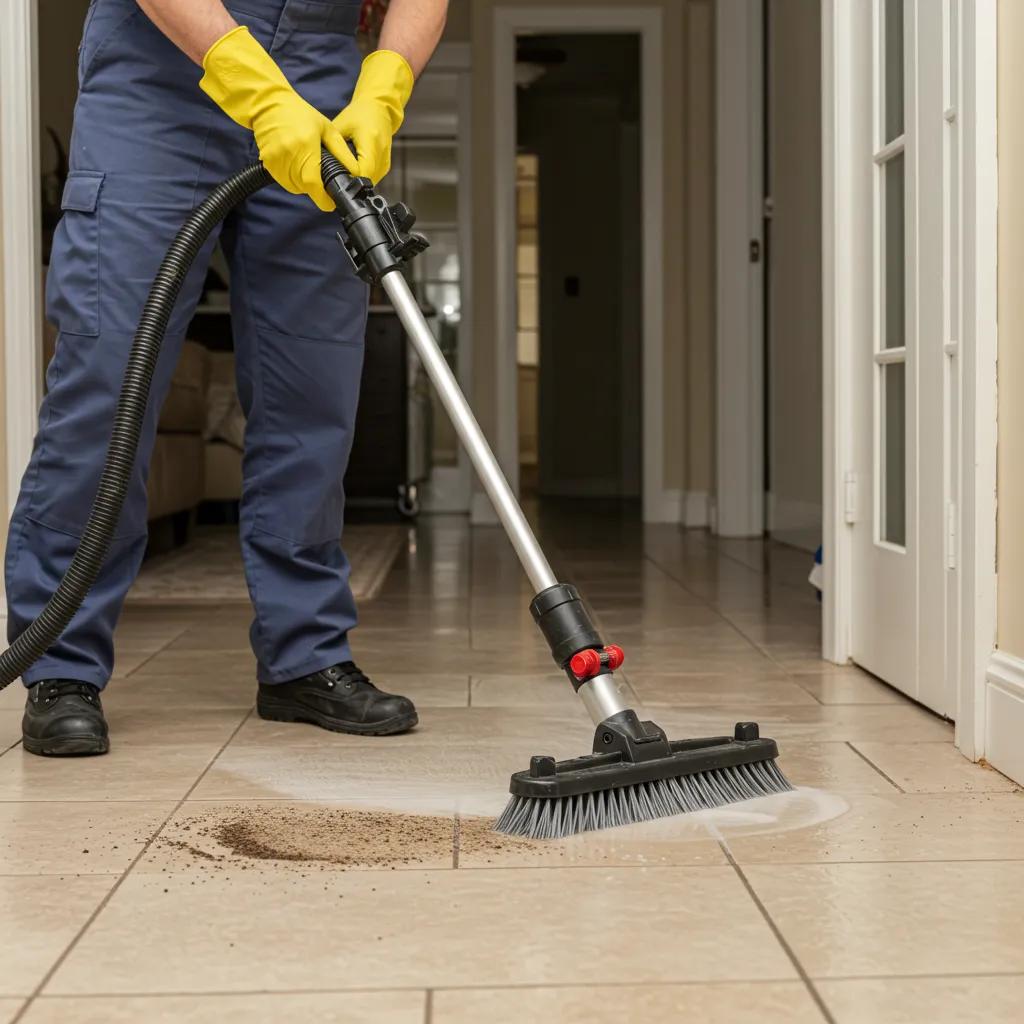
Engaging certified professionals ensures superior results thanks to calibrated equipment and powerful, industry-grade cleaning solutions. Key benefits include:
- Deep restoration of grout brightness and tile luster for a like-new appearance.
- Faster cleaning completion with minimal disruption to your daily routine.
- Expert assessment and advice on the condition and integrity of your grout sealers.
- Extended tile lifespan achieved through meticulous and proper maintenance.
How All Seasons Carpet Cleaning Delivers Professional Tile and Grout Cleaning
All Seasons Carpet Cleaning utilizes a meticulous five-step service protocol for exceptional results:
- A detailed inspection to accurately assess your specific tile and grout conditions.
- Pre-treatment with eco-friendly cleaning agents carefully selected for your material type.
- Thorough agitation using specialized rotating scrubbers to break free embedded debris.
- High-pressure hot water extraction to powerfully flush away all loosened contaminants.
- An optional, but highly recommended, grout sealing service to protect against future stains.
This systematic approach guarantees comprehensive decontamination and leaves your surfaces with a reliably pristine finish.
Recommended Frequency for Professional Residential Tile and Grout Cleaning
The ideal frequency for professional cleaning depends on factors like household traffic and environmental conditions, but generally ranges from every 12 to 18 months. For high-use areas like kitchens and bathrooms, or for commercial spaces, consider scheduling annual service. Regular professional maintenance is key to extending sealant effectiveness and preserving the aesthetic appeal of your tiled surfaces.
Maintaining Tile and Grout for Enduring Cleanliness
Achieving sustained tile cleanliness involves a combination of regular cleaning routines, proactive preventative measures, and scheduled sealant upkeep. This comprehensive approach minimizes stain formation, prevents grout deterioration, protects your investment, and contributes to healthier indoor air quality.
The Importance of Grout Sealing and Its Frequency
Grout sealers are vital as they fill the microscopic pores in grout, creating a barrier that repels moisture and prevents stains from penetrating. Reapplying sealer every six to twelve months establishes an invisible shield that simplifies routine cleaning and actively deters microbial growth on cement-based grout lines.
Preventative Measures to Avoid Stains and Damage
Incorporating these simple habits can significantly reduce surface wear and grime buildup:
- Place durable entry mats at all exterior doors to trap dirt and moisture before they reach your floors.
- Wipe up spills immediately to prevent them from soaking into the grout or tile.
- Use protective pads under heavy furniture to prevent scratches and indentations.
- Always avoid using abrasive powders or harsh alkaline cleaners that can damage surfaces.
Consistent preventative care optimizes your tile’s condition and extends the time needed between professional cleaning services.
Tailored Care for Different Tile Types to Maximize Lifespan
Each tile material benefits from a specific maintenance routine:
- Porcelain: Requires occasional steam cleaning and regular wipe-downs with pH-neutral solutions.
- Ceramic: Best maintained with mild detergent rinses and prompt dry mopping to prevent water spots.
- Natural Stone: Needs specialized stone soaps and prompt resealing to maintain its unique beauty.
Adhering to manufacturer guidelines for each tile type is essential for preserving its finish integrity and sustaining its visual appeal over time.
Top Tile Cleaning Products and Tools for Residential Use
Selecting the right combination of cleaning products and tools can streamline your tile care routine, maximize efficiency, and protect even the most delicate surfaces. Always choose products that are specifically suited to your tile and grout characteristics for safe and effective performance.
Most Effective and Safe Tile and Grout Cleaners
| Cleaner Type | Key Active Ingredient | Safety Profile |
|---|---|---|
| pH-Neutral Cleaner | Non-ionic surfactant | Gentle on sealers, leaves no harmful residue |
| Oxygen Bleach | Sodium percarbonate | Color-safe, readily biodegradable, effective stain remover |
| Enzyme-Based Gel | Protease blend | Specifically targets organic stains, low toxicity |
Opting for cleaners with balanced formulations significantly minimizes the risk of surface damage and irritation to indoor air quality.
Best Brushes, Mops, and Steam Cleaners for Tile Floors
- Nylon-bristle grout brush for targeted, effective scrubbing action.
- High-quality microfiber flat mop for a streak-free, polished finish.
- Lightweight steam mop featuring adjustable steam levels for versatile cleaning.
Choosing Cleaning Products Based on Tile and Grout Type
Always match the cleaner’s pH level to your material’s sensitivity; acidic or alkaline solutions can easily etch natural stone. Epoxy grout can generally withstand stronger detergents without issue, while cementitious grout performs best with mild, buffered formulas. It’s always recommended to test any new cleaning product on a small, inconspicuous area before applying it to the entire surface.
Frequently Asked Questions About Residential Tile Cleaning
Despite the variety of cleaning techniques available, homeowners often face similar challenges. Understanding the differences between professional methods, the effectiveness of homemade recipes, and equipment compatibility can help you decide when to handle tasks yourself or when to seek expert assistance.
Professional vs. DIY Tile and Grout Cleaning: Key Differences
Professional services utilize industrial-grade hot water extraction systems combined with specialized agitation heads and concentrated cleaning agents. This powerful approach penetrates surfaces more deeply than typical household steamers or brushes, delivering consistently uniform results and minimizing chemical use through highly efficient rinsing cycles.
What Is the Best Homemade Tile Floor Cleaner?
A simple yet effective homemade solution can be made by mixing warm water with a few drops of mild dish soap and a splash of white vinegar. This balanced mixture emulsifies dirt effectively while maintaining a safe pH level for most glazed surfaces and grout lines, making it an excellent choice for daily maintenance.
How Do You Effectively Clean Severely Dirty Grout?
For heavily soiled grout, start by applying a thick paste of baking soda and hydrogen peroxide, then use a stiff nylon brush to scrub away the grime. If discoloration persists, follow up with a steam cleaning session to lift any remaining residues and thoroughly sanitize the grout pores.
Can Steam Cleaners Be Used on All Tile Floors?
Steam cleaning is generally safe and effective for most nonporous tiles, including porcelain and glazed ceramic. However, it’s advisable to avoid direct steam application on unsealed natural stone or older, potentially compromised grout without ensuring it’s properly sealed first, as excessive moisture can penetrate fissures and lead to discoloration.
How Often Should Tile and Grout Receive Professional Cleaning?
Under typical household conditions, homeowners should aim for professional tile and grout cleaning every 12 to 18 months. Areas with high foot traffic or homes with challenging water quality may benefit from more frequent professional services to maintain pristine and hygienic surfaces.
Your tiles can regain their brilliance when you employ the right techniques, use the appropriate tools, and schedule care at the optimal times. Whether you manage daily upkeep with simple homemade solutions or choose to enlist the expert services of All Seasons Carpet Cleaning, consistent care and timely professional intervention are the keys to securing lasting beauty, hygiene, and performance for every floor in your home. Contact All Seasons Carpet Cleaning today for a complimentary estimate and discover the difference that precision tile cleaning can make in protecting your valuable investment.