

Choosing the correct cleaning method for each upholstery fabric is key to preventing faded colors, damaged fibers, and the need for expensive replacements. As your go-to experts for residential upholstery cleaning, we blend our extensive knowledge of fabric science with safe, effective techniques to refresh and protect your home furnishings. In this guide, you’ll learn about the most common natural, synthetic, and specialty fabrics; understand how their unique properties affect cleaning approaches; discover both DIY and professional methods; decipher care codes; implement preventative maintenance strategies; and see why homeowners in Rockford, Belvidere, and Loves Park trust our team for complimentary estimates and exceptional results.
What Are the Most Common Fabric Types Used in Residential Upholstery?
Residential upholstery typically features a blend of natural, synthetic, and specialty fibers chosen for their comfort, aesthetic appeal, and durability. Knowing these categories will help you select the right cleaning methods and avoid accidental damage.
Which Natural Fibers Are Popular in Home Upholstery?

Natural fibers add breathability and comfort to your seating, but they vary in how well they hold up and what kind of care they need.
- Cotton: Soft, breathable, and often blended with other fibers; it can be prone to water spots and shrinking.
- Wool: Known for its durability and resistance to stains; however, it can felt or pill if cleaned improperly when wet.
- Silk: Offers a luxurious sheen and smooth feel; it’s extremely sensitive to moisture and abrasive cleaning agents.
- Linen: Features a crisp texture and excellent moisture-wicking properties; it wrinkles easily and can develop a yellowish tint if exposed to high heat.
These fibers require gentle cleaning solutions and thorough testing in an inconspicuous area before cleaning the entire surface.
What Synthetic Fabrics Are Frequently Found in Residential Furniture?
Synthetic textiles are valued for their resistance to fading and ease of care, but their specific fiber blends can affect how they respond to stains.
- Microfiber: Highly absorbent yet quick to dry; typically cleaned with a mild soap and water solution.
- Polyester: Resists abrasion and holds color well; it can handle water-based cleaners and light scrubbing.
- Nylon: Strong and flexible; it responds well to cleaning methods that use minimal moisture but can trap oily residues.
- Olefin: Excellent resistance to weather and stains; it’s suitable for robust cleaning with solvent-based solutions.
Understanding the absorbency and heat sensitivity of each synthetic material will guide you in safe DIY cleaning practices.
How Do Specialty Fabrics Like Velvet, Chenille, and Leather Differ?
Specialty upholstery materials offer unique textures and densities, each requiring specific care to maintain their appearance and feel.
| Fabric | Key Attribute | Cleaning Challenge |
|---|---|---|
| Velvet | Luxurious, dense pile and sheen | Risk of crushing the pile and leaving water marks |
| Chenille | Soft, looped yarn construction | Potential for matting and distortion of the fibers |
| Leather | Smooth, non-woven hide surface | Susceptible to cracking, dye transfer, and drying out |
Each of these specialty materials often requires precise methods, frequently best handled by professionals, to preserve their structure and finish.
How Do Fabric Properties Affect Upholstery Cleaning Methods?
A fabric’s characteristics, such as how much it absorbs, its pile structure, and fiber strength, dictate whether water, solvents, heat, or agitation can be used safely. Matching the cleaning method to these properties is crucial to prevent weakening the fibers or altering the color.
What Are the Key Characteristics of Natural Fibers Like Cotton, Wool, Silk, and Linen?
Natural fibers have distinct absorbency levels and tensile strengths that significantly influence the cleaning strategy.
- Cotton’s high absorbency allows for water-based cleaning methods, but it risks shrinkage and color bleeding if moisture isn’t carefully controlled.
- Wool fibers tend to trap stains within their structure, so using low-moisture cleaning or dry cleaning with gentle surfactants helps protect the wool’s integrity.
- Silk, being a protein-based fiber, can dissolve in alkaline solutions, making neutral pH, low-moisture techniques essential for its care.
- Linen has a strong cellulose core that can withstand some agitation, but it wrinkles easily under heat, requiring careful blotting and air-drying.
These properties guide the decision between using steam extraction, dry cleaning, or simple hand-blotting techniques.
How Do Synthetic Fibers Such as Microfiber, Polyester, Nylon, and Olefin Respond to Cleaning?
The type of polymer used and the density of the weave affect how well the fabric accepts solvents and how it behaves during drying.
- Microfiber’s extremely fine filaments can absorb spills but release them easily with gentle agitation and mild detergent.
- Polyester can tolerate higher temperatures and light detergents but may not respond well to harsh solvents.
- Nylon’s strong, flexible chains are well-suited for low-moisture cleaning methods but can trap oil-based stains without a solvent pre-treatment.
- Olefin is naturally resistant to water-based stains but requires specialized alkaline or solvent cleaners to effectively remove oil-based residues.
Assessing each fabric’s tolerance to solvents is key to achieving effective stain removal.
Why Are Specialty Fabrics More Delicate and What Cleaning Challenges Do They Present?
Specialty materials often combine intricate textures and finishes, which can increase the risks associated with cleaning.
- Velvet’s dense pile can be easily crushed by mechanical brushes; dry cleaning methods and gentle steaming are best for preserving its loft.
- Chenille’s looped yarns are prone to snagging, so cleaning techniques that minimize shear force are recommended to prevent pulls and snags.
- Leather’s natural oils can be stripped away by harsh detergents; using pH-balanced leather conditioners is vital to maintain its suppleness.
These specific challenges often make professional cleaning the most reliable option to maintain the fabric’s appearance.
What Are the Recommended Cleaning Methods for Different Upholstery Fabrics?
Choosing the correct cleaning approach is essential for preventing damage to fibers and keeping colors vibrant. Here’s a summary of effective DIY and professional techniques.
How Should Natural Fibers Be Cleaned Safely at Home?
Natural fibers can be refreshed using careful water-based treatments, provided the fabric’s care code permits it.
- Begin by vacuuming with the upholstery attachment to remove loose dust and debris.
- Test a small, hidden seam with a cleaning solution made from 1 part mild detergent to 10 parts water.
- Gently blot stains using soft motions rather than scrubbing to lift the mark.
- Rinse away any remaining solution with a clean, damp cloth and allow the fabric to air dry completely.
Following this careful process helps ensure safe maintenance and minimizes the risk of shrinkage.
What Are the Best Practices for Cleaning Synthetic Upholstery Fabrics?
Synthetic fabrics often tolerate more agitation and moisture, but it’s still important to test them first.
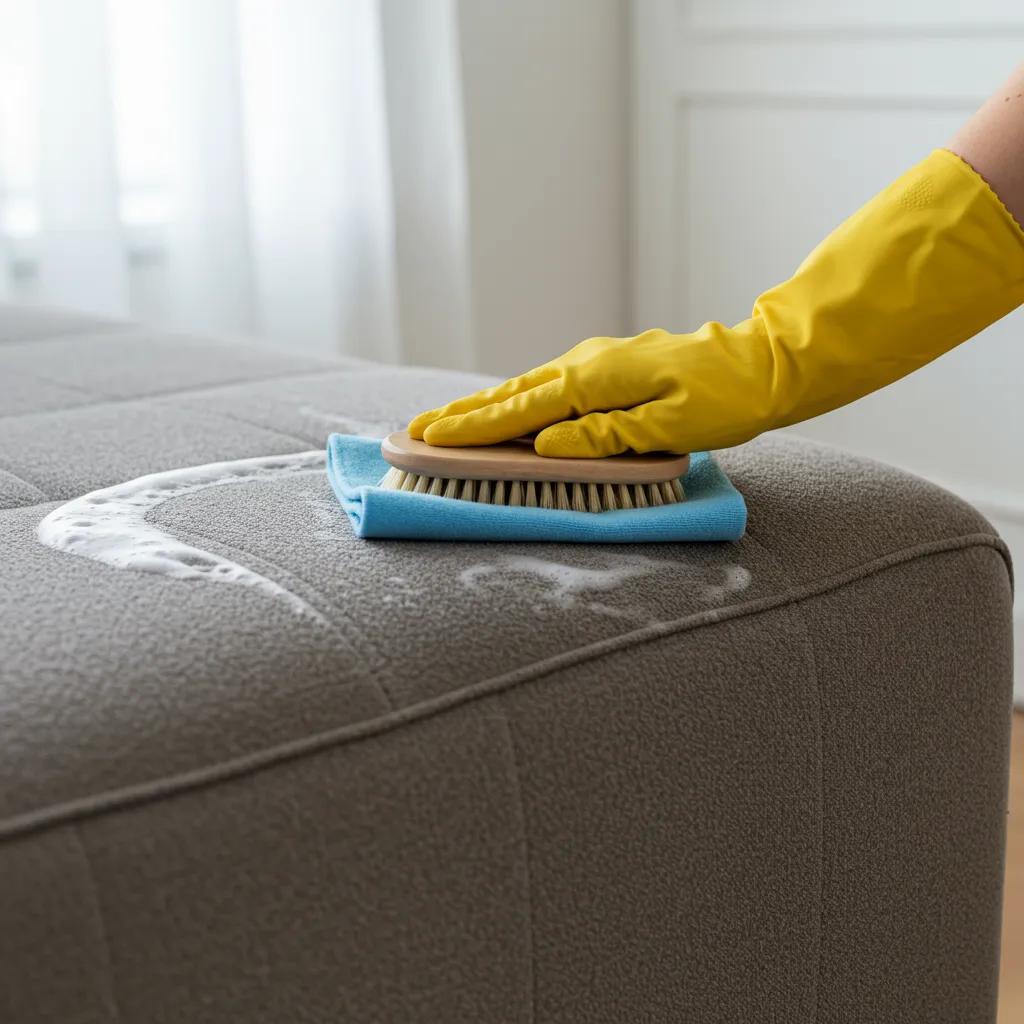
- Microfiber and polyester generally respond well to light foam cleaners applied with a soft brush.
- Nylon benefits from low-moisture extraction tools that rinse away detergent without over-saturating the fabric.
- Olefin may require solvent-based cleaners for stubborn oil stains, followed by a mild water rinse to remove any residue.
Matching the cleaner type to the specific polymer ensures thorough cleaning with minimal stress on the fibers.
When Is Professional Cleaning Necessary for Delicate or Specialty Fabrics?
Professional cleaning is often the best choice for protecting delicate materials and effectively addressing heavy soiling or stubborn stains.
Steam Cleaning vs. Dry Cleaning Comparison
| Method | Mechanism | Suitable Fabrics | Key Benefit |
|---|---|---|---|
| Steam Cleaning | Hot water extraction process | Cotton, wool, some synthetics | Provides a deep rinse for fibers |
| Dry Cleaning | Solvent-based cleaning with minimal moisture | Silk, velvet, leather | Minimizes fiber swelling and shrinkage |
What Spot Cleaning Techniques Work Best for Various Fabric Types?
Effective spot removal relies on identifying the stain type and understanding the fabric’s care code.
- Water-based stains: Gently blot with a mild detergent solution on fabrics coded W or W/S.
- Oil-based stains: Pre-treat with a solvent on upholstery coded S or W/S.
- Protein stains: Use enzyme-based cleaners with low moisture to lift residue without causing it to set.
How Can Homeowners Identify Upholstery Cleaning Codes and What Do They Mean?
What Are the Common Upholstery Cleaning Codes (W, S, W/S, X) Explained?
- W indicates that water-based cleaners and steam cleaning are safe to use.
- S means that only solvent or dry-cleaning solutions should be used.
- W/S allows for the use of either water-based or solvent-based treatments.
- X restricts cleaning to vacuuming or light brushing only, without any moisture application.
Understanding these codes is crucial to prevent fiber damage and discoloration.
How Do Cleaning Codes Influence the Choice of Cleaning Method?
| Code | Allowed Agents | Prohibited Actions |
|---|---|---|
| W | Water, mild detergents | Strong solvents, dry cleaning |
| S | Solvents, dry cleaning kits | Excess water, steam extraction |
| W/S | Water or solvents | Aggressive scrubbing |
| X | Vacuum only | Any moisture application |
Matching the cleaning method to the fabric code helps prevent voiding warranties and causing irreparable fabric damage.
When Should You Avoid DIY Cleaning Based on Upholstery Codes?
It’s best to avoid home cleaning attempts when fabrics have S or X codes, especially if they have deep-set stains or persistent odors. Professional cleaning ensures the use of appropriate solvents, specialized equipment, and controlled environments to protect delicate upholstery.
What Are Effective Tips for Maintaining and Protecting Upholstery Fabrics at Home?
Regular care not only extends the life of your upholstery but also reduces the need for deep cleaning and helps maintain its appearance over time.
How to Perform Regular Maintenance on Natural and Synthetic Upholstery?
Consistent upkeep prevents the buildup of dirt and fibers, which can lead to abrasion and wear.
- Vacuum your upholstery weekly, using the brush attachment to get into crevices.
- Rotate cushions monthly to ensure even wear across all surfaces.
- Address spills immediately by blotting them with a clean, absorbent cloth.
Regular maintenance keeps your upholstery fibers resilient and colors vibrant between professional cleaning appointments.
What Are Safe DIY Spot Cleaning Solutions for Common Stains?
Gentle, home-friendly spot cleaners can tackle everyday mishaps without resorting to harsh chemicals.
- Vinegar and water solution: Effective for neutralizing many food and beverage stains on fabrics coded W.
- Baking soda: Excellent for absorbing oils and neutralizing odors on synthetic upholstery.
- Rubbing alcohol: Can gently lift ink or dye transfer stains on materials safe for solvent use.
Always test any DIY solution on an inconspicuous area first to ensure it won’t cause discoloration or damage.
How to Manage Pet Stains and Odors on Upholstery Fabrics?
Pet accidents require specific treatments, including enzymatic action to break down stains and odor neutralizers.
- Blot up fresh stains immediately, then apply an enzyme cleaner designed to break down proteins.
- Allow the cleaner to sit for the time recommended on the product label before blotting again.
- After cleaning, sprinkle baking soda over the area to absorb any lingering odors, then vacuum it up.
These steps help restore fabric hygiene and can discourage pets from revisiting the same spots.
Why Choose Professional Upholstery Cleaning Services for Your Residential Fabrics?
Professional technicians utilize advanced cleaning methods, hold industry certifications, and offer customized solutions to revitalize your furniture safely and effectively.
What Are the Risks of DIY Cleaning on Delicate or Stubborn Stains?
Attempting DIY cleaning on delicate fabrics or tough stains can inadvertently set the stain, cause colors to bleed, or shrink the fibers, turning minor issues into permanent damage. Professionals avoid these pitfalls by precisely matching cleaning methods to the fabric’s specific needs.
How Do Professionals Tailor Cleaning Methods to Different Fabric Types?
Our technicians carefully analyze the fiber content, weave density, and care codes of your upholstery before selecting appropriate cleaning agents, equipment pressure settings, and extraction techniques. This personalized approach ensures optimal stain removal while safeguarding the fabric’s integrity.
What Are the Benefits of Using Eco-Friendly and Pet-Safe Cleaning Solutions?
Modern professional cleaning services employ biodegradable detergents and low-odor formulas that effectively remove soils without leaving behind toxic residues. These eco-friendly methods protect children, pets, and indoor air quality while delivering a deep, thorough clean.
Where Can Residents of Rockford, Belvidere, and Loves Park Find Expert Upholstery Cleaning Services?
Local homeowners trust our proven expertise, prompt service, and transparent pricing to help them maintain their valuable upholstered furniture.
How Does All Seasons Carpet Cleaning Serve Local Upholstery Cleaning Needs?
Our certified technicians specialize in residential upholstery cleaning service, bringing industry-standard certifications, on-site fabric assessments, and customized cleaning strategies for every type of fiber. Our local focus means we provide timely service and possess in-depth knowledge of fabric trends common in this area.
What Is the Process for Scheduling a Free Upholstery Cleaning Estimate?
Homeowners can easily schedule a no-obligation estimate by contacting our office via phone or through our online form. A technician will visit your home to evaluate the fabric types, soil levels, and any specific stain challenges, providing a clear, written quote before any work commences.
What Are Customer Testimonials and Case Studies for Fabric-Specific Cleaning?
Our satisfied clients frequently share stories of revitalized sofas, beautifully restored silk dining chairs, and pet-furniture free of odors after our professional treatments. Our case studies highlight impressive before-and-after transformations on microfiber couches and antique velvet pieces, demonstrating our dedication to exceptional results and building customer trust.
Regular professional cleaning by certified specialists not only extends the lifespan of your upholstery but also helps maintain warranty compliance and contributes to a healthier home environment.
Consistent maintenance routines and informed DIY care work hand-in-hand with expert services, offering homeowners a complete strategy to keep their residential upholstery looking its absolute best. By understanding different fabric types, deciphering care codes, and utilizing the expertise of professional upholstery cleaners, you can protect your investment and enjoy fresh, vibrant furnishings for many years to come.