

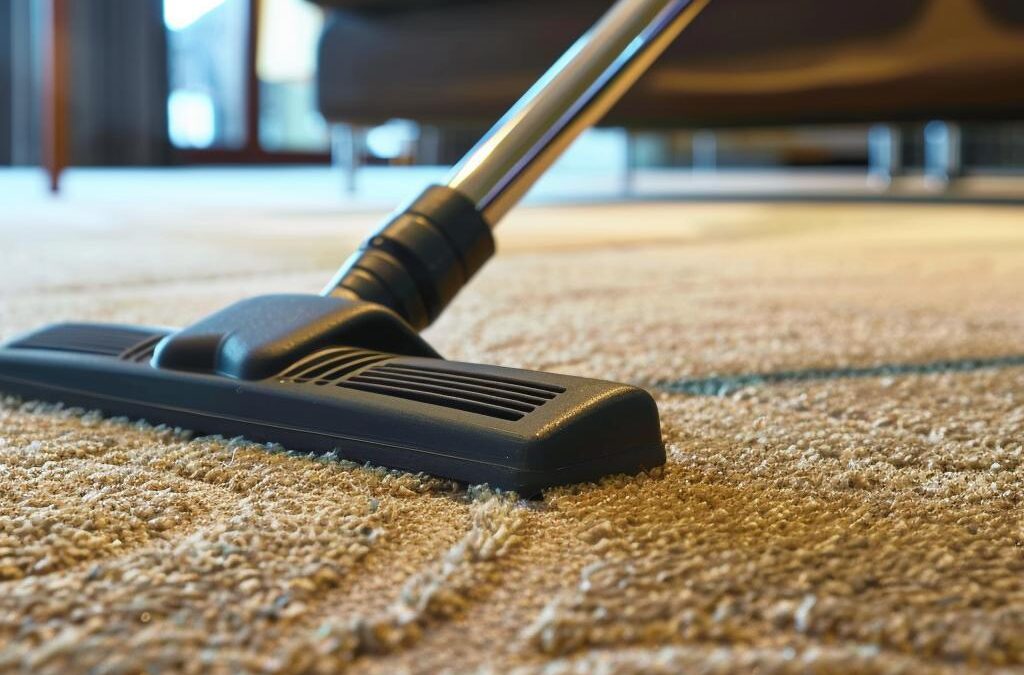
Carpets are a central part of any home, offering both comfort and style. They provide a soft surface underfoot, reduce noise, and enhance the overall aesthetic of living spaces. However, their beauty and comfort come with the responsibility of regular care. Daily foot traffic, spills, and general wear and tear mean carpets quickly accumulate dirt, dust, and allergens. Without proper attention, this buildup can compromise the appearance of your carpets and even affect the health of everyone in your home.
Maintaining clean carpets goes beyond simply vacuuming. A proactive approach combines daily and weekly routines with periodic deep cleaning to prevent dirt from embedding into fibers. When accidents happen, knowing how to respond immediately ensures stains are minimized and long-term damage is avoided. Seasonal deep cleanings further help to refresh carpets, remove odors, and reduce allergens, ensuring your home remains clean, safe, and inviting.
Common Carpet Problems and How to Address Them
Understanding the challenges that carpets face is the first step in proper maintenance. Common issues include dirt accumulation, spills, stains, odors, and, in some cases, mold growth. Dirt and dust particles can act like abrasives, wearing down fibers and making carpets look worn over time. Stains from food, drinks, or pets can become permanent if not treated promptly, and lingering odors can make a home feel less clean, even after regular vacuuming.
By establishing a simple cleaning routine, you can mitigate these problems. Vacuum high-traffic areas daily and less-used rooms a few times a week. Treat spills immediately with appropriate cleaning solutions, and consider professional carpet cleaning every six to twelve months to address deep-seated dirt, allergens, and odors. This approach protects your carpet’s fibers, maintains its appearance, and promotes a healthier living environment.
Identifying Mold in Your Home
Mold is a hidden but serious concern that can affect both carpets and indoor air quality. It thrives in damp, humid conditions, often appearing in areas such as basements, bathrooms, kitchens, or beneath water-damaged carpets. Mold may present in black, green, white, or orange patches, and while it is sometimes visible on walls, floors, or carpets, it can also grow behind walls, under tiles, or beneath furniture.
A musty odor is often the first sign of mold presence, even before visible spots appear. Health symptoms such as sneezing, coughing, itchy eyes, and respiratory irritation can indicate mold exposure, particularly for sensitive individuals like children or those with asthma. Water stains, discoloration, or persistent dampness are additional warning signs that mold may be developing. Detecting mold early is crucial to preventing widespread contamination and minimizing health risks.
DIY Mold Removal: What You Can Do Safely
Small-scale mold issues can often be addressed with careful DIY methods. Safety is the top priority, so always wear gloves, goggles, and a mask to avoid inhaling spores. Start by identifying and isolating the affected area. Remove contaminated items such as rugs, carpets, or furniture that cannot be adequately cleaned.
For non-porous surfaces, a mixture of water and mild detergent can be used to scrub away mold. Once the surface is cleaned, it is essential to dry the area thoroughly using fans or a dehumidifier, as moisture promotes regrowth. Porous materials, such as drywall, insulation, or heavily water-damaged carpets, should often be removed and replaced because mold can penetrate these surfaces deeply. Finish the process by disinfecting the area with a solution of water and bleach or a commercial mold remover to ensure all spores are eliminated. Proper disposal of contaminated materials is essential to prevent mold from spreading elsewhere in your home.
Tools and Products for Effective Mold Remediation
Using the right tools and products makes mold removal safer and more efficient. Personal protective equipment like gloves, goggles, and masks protects you from exposure. Plastic sheeting can help isolate the area and prevent spores from spreading to other rooms. Stiff-bristled scrub brushes assist in cleaning surfaces effectively, while HEPA vacuum systems capture airborne spores, preventing them from resettling in your home.
Various cleaning agents can help eliminate mold. White vinegar is a natural, safe option suitable for most surfaces. Bleach is highly effective on non-porous areas but may damage delicate or porous materials. Commercial mold removers and fungicides offer stronger solutions for more extensive infestations, and mold foggers can disinfect larger areas. Always follow manufacturer instructions carefully to ensure safe and effective use.
Preventing Mold Growth in Your Home
Prevention is always more effective than remediation. Controlling moisture and humidity levels is the cornerstone of mold prevention. Use dehumidifiers, exhaust fans, and proper ventilation to reduce damp conditions in kitchens, bathrooms, basements, and laundry areas. Regularly open windows and doors to allow air circulation and reduce indoor moisture levels.
Promptly addressing leaks in pipes, roofs, or windows prevents water accumulation that can fuel mold growth. Inspect your home periodically for water damage, discoloration, or damp spots. Additionally, using mold-resistant products during renovations—such as moisture-resistant drywall or mold-inhibiting paint—can provide long-term protection. Keeping carpets and floors clean and dry, along with proactive monitoring, helps maintain a mold-free home and supports a healthier indoor environment.
Best Practices for Carpet Maintenance
Regular carpet care can prevent many common issues and extend the lifespan of your flooring. Here are key practices to follow:
Vacuum Frequently: Regular vacuuming removes dirt, dust, and debris that can wear down carpet fibers. Use attachments to reach edges, corners, and under furniture.
Treat Spills Immediately: Blot spills with a clean cloth instead of rubbing. Use cleaning solutions appropriate for your carpet type to prevent staining.
Rotate Furniture: Moving furniture periodically prevents uneven wear patterns and keeps carpets looking even.
Deep Cleaning: Schedule professional carpet cleaning at least once or twice a year to remove deep-seated dirt, bacteria, and allergens.
Protect High-Traffic Areas: Use area rugs or runners in hallways and entrances to reduce wear on your main carpet.
Control Humidity: Maintaining a balanced indoor humidity level reduces mold and mildew growth, preserving carpet integrity.
Following these practices ensures your carpets remain clean, comfortable, and visually appealing, while also supporting the health of your household.
Benefits of Professional Carpet Cleaning
Professional carpet cleaning goes beyond surface-level maintenance. Expert cleaners use advanced equipment to extract dirt, allergens, and moisture from deep within carpet fibers. Steam cleaning and hot water extraction methods are particularly effective at removing embedded debris, pet dander, and bacteria.
Regular professional cleaning not only enhances carpet appearance but also improves indoor air quality and promotes a healthier home. It can remove stubborn stains, reduce odors, and prevent the growth of mold in damp areas. For households with children, pets, or allergy concerns, professional services provide peace of mind and a safer living environment.
Creating a Healthier and Cleaner Home Environment
Maintaining clean carpets and preventing mold growth are key components of a healthy home. Clean carpets improve indoor air quality, reduce allergens, and create a more comfortable living space. Preventing mold ensures your home is free from harmful spores that can trigger respiratory problems or exacerbate existing health conditions.
By combining routine carpet maintenance, professional cleaning, and proactive mold prevention strategies, you create a home environment that is safe, comfortable, and inviting. These efforts also protect your investment in flooring, ensuring your carpets remain beautiful and functional for years to come.
Conclusion: Prioritize Clean Carpets and a Mold-Free Home
A clean, well-maintained carpet enhances the comfort, beauty, and health of your home. Understanding how to care for carpets, recognize potential mold issues, and implement preventive measures ensures a safe and inviting environment for your family. Regular maintenance, timely spill treatment, seasonal deep cleaning, and professional services work together to keep your home fresh and hygienic year-round.
At All Seasons, we specialize in carpet cleaning and mold remediation services designed to meet the needs of every household. Our trained professionals use advanced techniques and eco-friendly products to restore your carpets, remove mold, and create a healthier home. Contact All Seasons today at+1 815-869-7687to schedule your services and experience the difference of a cleaner, fresher living space.